


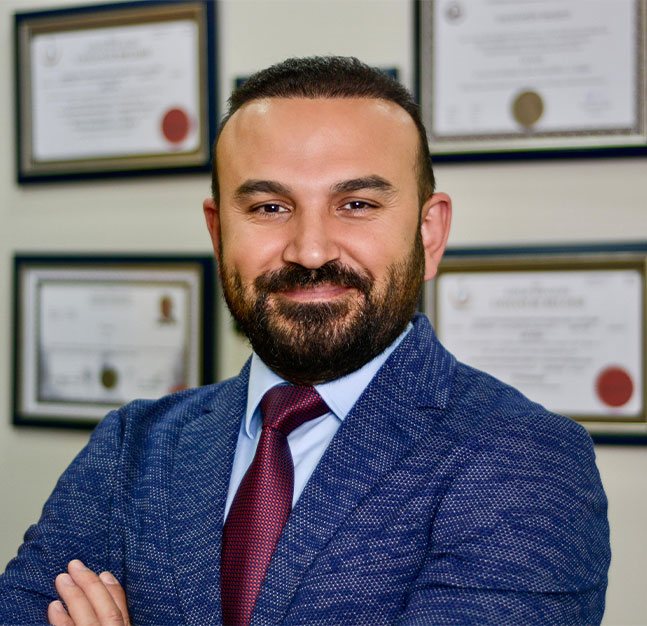
Prof. Dr. Ali EKİZ
Kadın Doğum ve Perinatoloji Uzmanı
×




 CÜNEYT DOĞAN2026-03-02Merhaba hocam eşim esansiyel trombosit hastası ilk gebeliğinde preklamspi nedeni ile bebek 5 aylıkken alınmak zorunda kaldı sizin deneyiminize ve tavsiyenize ihtiyacimiz var eşim hamile bh aradahalime çavuş2026-02-2822. Hafta Detaylı ultrasonu için gittik, çok tatlı biri. Her şeyi tek tek sabırla anlatıyor ve çok kibar. 13. Hafta ikili tarama testinde koç üni.’de bir kadın doktora gitmiştik sürekli karnımı dürtüp kendini kasma seninle uğraşıyorum daha 15 hasta bakıcam diyip durmuştu. Ali hocam yogun olmasına ragmen asla acele etmedi nerdeyse 45dk boyunca herşeyine baktı, iyi ki kendisini tercih etmişiz.Sena2026-02-20Bu hafta içi 21+5 haftalıkken detaylı ultrason için araştırıp ve referans üzerine Ali hocayı tercih ettim. İyi ki de Ali hocayı tercih etmişim işlem tam 40-45 dk sürdü ve bize tek tek bebeğimizle alakalı kendisi incelerken her detayı atlamadan söyledi bizim aklımıza bir şey takılıp soracak bir sorumuz bile yoktu o kadar detaylandırdı. Aynı zamanda yanımızda eşlik eden hemşiresi de çok tatlıydı. Ali hocam zaten çok güler yüzlü pozitif ve sıcakkanlıydı. Her şey için teşekkür ederiz sizin gibi hekimler çoğalsın 🫶🏻💙🧿Dilara2026-02-20Gebelik sürecimden doğuma kadar her aşamada inanılmaz ilgili, sakin ve güven veren bir doktordu. Tüm sorularıma sabırla cevap verdi, en stresli anlarda bile içimi rahatlattı. Şaka bir yana, 10 kez doğuracak olsam 10’unda da gözüm kapalı kendisiyle çalışmak isterim 😊 İyi ki yollarımız kesişmiş 🙏🏼BUSE YATIKÇI2026-02-16Buraya daha önceden kendi hikayemle alakalı bir yorumda bulunmuştum. Ali hocayla tanışmamızı hiçbir zaman tesadüfi bir süreç olarak düşünmedik eşimle. Öyle ki kızımızın adını bile doktorumuzun seçmesini istedik. İlk gebelik öykümüzde kötü haberi ondan almamızın bile bizim açımızdan bir sebebi vardı. Yanılmadık da. Sonrasındaki tüm sürecimi yine Ali hocayla devam ettirdim. Çünkü doktorunuzun bu süreçte en duygusal olduğunuz noktada sizi sizden iyi tanıması, bilgisiyle asla aklınızda soru işareti bırakmaması çok önemli. Aslında çoğu doktor işinin bir parçası olarak görmese de biz ‘annelerin’ tüm duyguları en yoğun yaşadığı bu zamanlarda süreci rahat geçirmemizi sağlaması, duygularımızla ilgilenmesi çok kıymetli. Her konuşmalarımızdaki detay aklıma kazınmış olsa da “çocuğunu sağlıkla kucağına verebilmek için elimden ne gelirse yapacağım” cümlesi beni o süreçte motive eden, kaygımı azaltan ve aslında bunları hissetmemi sağlayan ‘yapacağını bildiğim inanç’tı. Gerçekten de öyle oldu. Hafif bir kanama görüp muayeneye gittiğimde dekolman olduğunu söyleyip kendi aracıyla beni hastahaneye götürdü. Herhalde muayene edilip ameliyata alınmam on beş dakika kadar sürmüştür. Sayesinde kızım da ben de hayattayız. Kızımın yoğun bakım sürecinde bile benim ne hissettiğimle ilgilenmiş, beni yine ayakta tutan cümleler kurmuş. Hocam çok kıymetlisiniz. Tek olumsuz yanınız insan size alıştıktan sonra diğer doktorlarda da aynı yaklaşımı arıyor. :) Ve yine size söylediğim gibi “sizin hastanız olmanın hakkını verdim ben.”:) Hakkınızı hiçbir zaman ödeyemem. Ne yazsam eksik kalır. İyi ki varsınız. Her geldiğimizde bizi güler yüzle karşılayan tüm ekibinize de sevgilerimi iletiyorum.Mustafa efiloğlu2026-02-11Doktorumuzun önerisiyle detaylı ultrason için Ali beye gittik. Gitmeden önce hasta yorumlarını okuduk neredeyse tüm yorumlar çok olumluydu. Bu yorumların abartıldığını düşünmüştüm ama gerçekten o kadar memnun kaldık ki büyük bir sabırla kendi bebeğine bakar gibi ilgilendi detaylı bir şekilde herşeyi anlattı. Umarım böyle doktorlarımızın sayısı artar. Hiç düşünmeden tercih edebilirsiniz.Даяна Христова2026-02-10Sayın Prof. Dr. Ali Ekiz, Merhaba doktor… Bugün bu satırları, kollarımda bir hayat tutarken yazıyorum. Artık korkudan değil, **şükür ve minnetten titreyen** bir kalple. Size söylemek istediğim en önemli şeyle başlamak istiyorum: **O doğdu.** Beklediğimizden daha erken ama **canlı, sağlıklı ve güçlü**. Bugün kollarımda olan küçük bir prenses. Ama bu noktaya gelene kadar… umutlarımın elimden alındığı bir yoldan geçtim. Bulgaristan’da hiçbir annenin duymaması gereken sözler duydum. Şüpheler. Korkular. Henüz kesinleşmeden söylenen teşhisler… Uykularımı, inancımı, anne olma sevincimi çalan kelimeler. Bana çocuğumun **Down sendromu olabileceği** söylendi. Soğuk bir şekilde. Desteksiz. Umutsuz. Ve sonra size geldim. Beni nasıl karşıladığınızı asla unutmayacağım. Bir “vaka” olarak değil, **çocuğu için korkan bir kadın** olarak gördünüz beni. Bana boş umutlar vermediniz. Ama çok daha kıymetli bir şey verdiniz: **İnsanlıkla söylenmiş gerçek.** Baktınız. Açıkladınız. Sakinleştirdiniz. Ve her fetal morfoloji kontrolünde, benden alınan umudun bir parçasını geri verdiniz. Sayenizde korkum yavaş yavaş geri çekildi. Yeniden nefes almaya başladım. Yeniden inanmaya başladım. Hamileliğimi korkuyla değil, umutla yaşamaya başladım. Siz sadece bir bebeğin gelişimini takip etmediniz. Siz, **bir annenin dağılmasını engellediniz**. Bugün kızıma baktığımda biliyorum ki, onun hayatında sizin de bir iziniz var. İlk nefesinde. Nefes alışında. Ve benim hamileliğimi korkuyla değil, umutla tamamlayabilmemde. Sayın Prof. Dr. Ali Ekiz, profesyonelliğiniz, sakinliğiniz, insanlığınız ve bir annenin elinden alınmaması gereken şeyi – **umudu** – bana geri verdiğiniz için size yürekten teşekkür ederim. Derin bir minnetle, Dayana Hristova ve küçük Angel Anastasia 🤍Ayşenur Meriç2026-02-06Doktorumuzla tanışmamız 2024 Ocak ayındaydı, 20haftalık hamileydim ve bir gün öylesine bebeği görürüm diye gittiğim bir kadın doğum doktoru bebeğin kalbindeki ana damarlardan birini göremediğini hemen yarın ayrıntılı ultrason için bir perinatoloğa gitmemi söyledi. Zaten 2hafta sonra İstanbulda (ben Tekirdağda yaşıyorum) bir perinatoloğa randevum olduğunu söylediğimde ‘bekleme’ dedi ve yarınki gün cumartesiydi. Eşim 6-7 doktor aradı ancak hepsi dolu olduğunu bizi kabul edemeyeceğini söyledi. Ali bey de dolu olduğunu ancak sabah erkenden gidersek yardımcı olabileceğini söyledi. Çok kötü günler olduğu için pek hatırlamıyorum ama çok uzun uzuun bir ultrason yaptıktan sonra bebeğimin kalbindeki çoklu anomaliyi bize en az bizim kadar üzgün bir şekilde anlattı, gerektiği şekilde yönlendirdi. Çıkarken sadece ağladığımızı ve Ali beyin “inşallah sağlıklı çocuklarınız olur da onlar için görüşürüz ilerde” dediğini hatırlıyordum. O kötü günleri atlattım ve 2025 Haziran ayında yeniden hamile olduğumu öğrendim, kendi şehrimde övülen bir kadın doğumcuyla takiplere başladım, eşimdeki kromozom anomalisi taşıyıcılığı sebebiyle 16. Haftada bana amniyosentez yapacağını söyledi, o noktada başka bir doktora daha danıştım ‘İstanbul yakın, amniyosentez yapılacaksa bir perinatoloğa yaptır’ dedi. O anda eşimle ikimizin aklına sadece bir isim geldi tabi ki: Ali Ekiz. Hemen randevu alıp gittik, 17. Haftada amniyosentezimi yaptı, sonuçlar çıktığında kendisi arayıp bilgi verdi. Sonrasında gebelik takibinde de sürekli Ali hocamla devam ettik, ultrason yaparken her şeyi tek tek anlatması, sorularıma sabırla cevap vermesi, çok güçlü iletişimi, en ufak detayı uzun uzun açıklaması, sakin ama ayrıntıcı oluşuyla sürecimizi çok güzel yönetti. Dün Ali hocam 39. Haftada bebeğimin doğumunu yaptırdı. Gözünüz kapalı güvenebileceğiniz, sizin için en iyisini düşündüğünden emin olabileceğiniz harika biri. Tüm süreç için minnettarım kendisine.lutfiye gulsoy2026-01-303.bebeğine hamiş bir anne olarak yazıyorum😊Ali Bey’e detaylı usg için gittim.Yaşadığım en huzurlu,en keyifli muayeneydi..Güven ve huzur dolu bir ortamda,her şeyi tek tek en ince ayrıntısına kadar anlatıp gösteren harika bir hekimle yol almak bu yolculuktaki her annenin hakkı bence 🥰Ne kadar teşekkür etsem az kalır iyi ki Ali bey ve ekibiyle yollarımız kesişti,her msjıma nezaketle dönüş yapıldı kusursuz ve sorunsuz bir süreç oldu benim için …iyi ki varsınız ve hep var olun 😌Aleyna Sevcan2026-01-24Ali hocama hem 12. Haftada ikili test için hem de 22. Haftada detaylı ultrason için gittik kendisinin ilgili yaklaşımı ve her şeyi açıklayıcı bir şekilde detaylı olarak anlattığı için kendisine çok teşekkür ederiz.